
Understanding California Building Code Requirements for Residential Fences
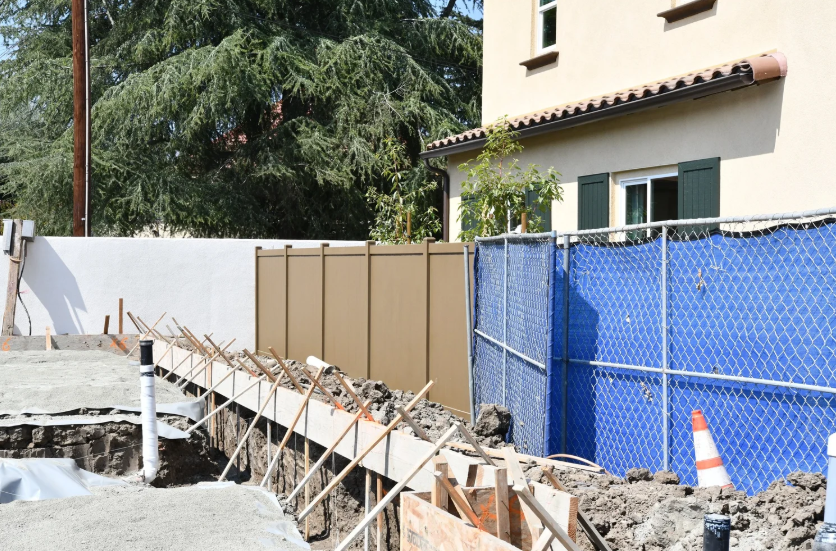
Building a fence in California sounds straightforward until you realize how many layers of regulation are actually involved. There's state code, local zoning, fire hazard zone requirements, neighbor law, and as of January 2026, a brand new standalone wildfire code that applies specifically to homes in high-risk areas.
Get it wrong and you're looking at fines, forced removal, or a failed home sale. Get it right and you've got a compliant property that's also better protected from the threats California homeowners face every day.
This guide breaks down what the code actually requires, what's changed recently, and where your fence fits into all of it.
How California Fence Regulation Works
One thing that trips up a lot of homeowners: there's no single "California fence code" that governs everything. What you're actually navigating is a stack of overlapping rules.
At the top is the California Building Standards Code (Title 24), which sets statewide baseline requirements. Below that are city and county ordinances that can be more restrictive than the state standard. On top of all of that, if you live in a fire hazard severity zone, additional requirements apply through both CAL FIRE regulations and the new 2025 California Wildland-Urban Interface (WUI) Code, which went into effect January 1, 2026.
Knowing which rules apply to your specific property is the first step before any fence project begins.
General Height Requirements for Residential Fences
California's general rule for residential fences is straightforward: front yard fences are typically limited to 3 to 4 feet in height, and backyard or side yard fences are typically limited to 6 feet. These are the baseline standards that most cities adopt, though local ordinances often add detail or variation on top of them.
A few important nuances:
Front yard fences are more heavily regulated in most jurisdictions. The 3 to 4 foot limit exists partly to maintain street visibility and neighborhood sight lines. Some cities allow taller front fences if they use open-view materials like wrought iron or tubular steel.
Backyard and side yard fences are generally allowed up to 6 feet without a permit in most California jurisdictions. Going taller than 6 feet almost always triggers a permit requirement.
Corner lots have their own rules in most cities. Fences near intersections are subject to sight triangle requirements that restrict height to prevent visibility hazards for drivers and pedestrians.
Slope adjustments affect how height is measured. On sloped land, fence height is typically measured from the lowest finished grade at the base of the fence, which means the effective visible height can vary at different points along the fence line.
When in doubt, contact your local planning or building department before you start. Many cities have specific fence ordinances that go beyond the state baseline, and what was permitted two years ago may have changed.
When Do You Need a Permit for a Fence in California?
Permit requirements vary by city and county, but here are the general thresholds that trigger a permit in most California jurisdictions:
Height over 6 feet: Almost universally, fences exceeding 6 feet require a building permit. Some jurisdictions set the threshold at 7 feet for certain materials.
Front yard location: Many cities require permits for any fence in a front yard, regardless of height.
Near property lines or easements: Building on or near a property line requires confirming exact boundary locations. Fences built on easements (utility corridors, drainage easements) create a particular risk: the easement holder can remove your fence without notice if they need access.
Fire hazard severity zones: If your property is in a high or very high fire hazard severity zone, additional permits and material approvals may apply, particularly for Zone Zero compliance.
HOA approval: If you're in a homeowners association, HOA approval is typically required before any permit is issued. HOA rules often specify materials, colors, and styles beyond what local code requires.
The permit process typically requires a site plan showing fence location, a material specification, and in some cases a detailed drawing. For fire hazard zones, you may also need to demonstrate that the material meets ignition-resistant standards.
California's Fence Laws Between Neighbors: Civil Code 841
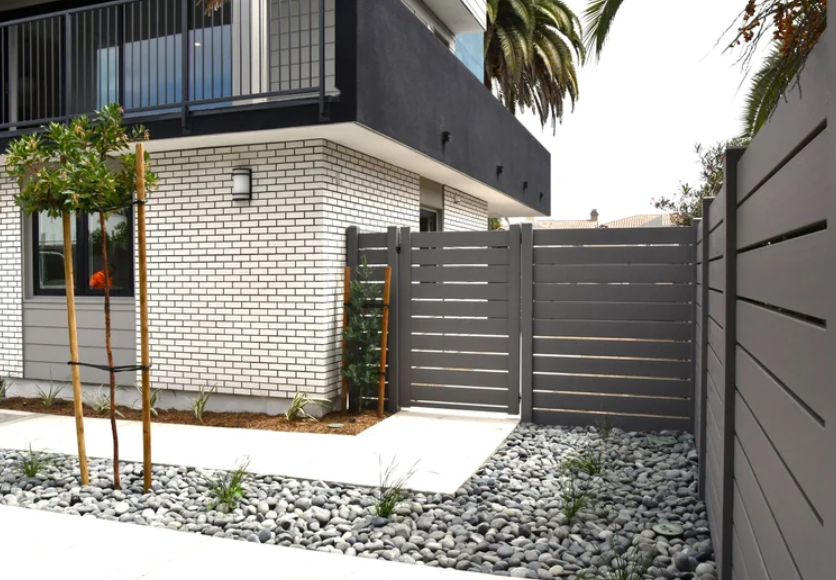
California Civil Code Section 841, commonly called the Good Neighbor Fence Law, establishes how costs are shared when a fence sits on or near a property line between two owners.
The basic principle: both property owners share equally in the cost of building, repairing, or maintaining a fence that divides their properties, as long as both owners benefit from it. Before starting work, you're required to give your neighbor at least 30 days written notice that includes a description of the work, the timeline, and the estimated cost and how it will be shared.
If your neighbor refuses to contribute, you have the right to take legal action. But disputes are messy and expensive, and it's almost always worth a direct conversation first.
A few things worth knowing:
If the fence is entirely on your property (not on the property line), Civil Code 841 doesn't apply and the cost is yours alone. If there's a dispute about where the property line actually is, you'll need a licensed surveyor to establish it before any fence work begins. Spending a few hundred dollars on a survey upfront is almost always cheaper than the legal cost of getting it wrong.
The 2025 California Wildland-Urban Interface (WUI) Code
This is the most significant change to California building standards in recent years for anyone in a fire-prone area, and most homeowners haven't heard of it yet.
Effective January 1, 2026, the2025 California Building Standards update created a standalone Wildland-Urban Interface Code, codified as Title 24, Part 7. Previously, wildfire-resistant construction requirements were scattered across three different parts of the building code. They've now been consolidated into a single enforceable code that specifically governs construction in designated WUI areas, including fences and other exterior building components.
For homeowners, what this means practically is that fences in WUI-designated areas are now subject to clearer, more consistently enforced ignition-resistant material standards. Inspectors have explicit guidance to scrutinize fence materials and installation details as part of plan check and inspection processes. The consolidation is expected to reduce the ambiguity that previously allowed non-compliant materials to slip through.
If your property is in a designated WUI area and you're planning a fence project, your material choices are no longer informal recommendations. They're enforceable code.
Zone Zero: The 0 to 5 Foot Rule That Changes Everything
Zone Zero is California's term for the immediate zone around your home's structure, from 0 to 5 feet from any exterior wall, deck, or combustible attachment. It's the highest-risk zone in a wildfire, because anything in this area can act as a direct ignition path to your structure.
California's Zone Zero requirements specifically address fencing. A fence that runs along the exterior of your home, through a gate attachment, or within 5 feet of any combustible structure element is subject to non-combustible material requirements in designated fire hazard severity zones.
Wood fencing and vinyl fencing do not meet Zone Zero requirements. They are combustible materials. A wood or vinyl fence in Zone Zero is not just a fire risk, it's a code violation in a high or very high fire hazard severity zone.
What does meet Zone Zero requirements? Non-combustible or ignition-resistant materials that have been tested and listed through programs like the CAL FIRE approved building materials list. For fencing specifically, hot-dipped galvanized steel with an ASTM Class A Fire Rating (Zero Flame Spread) is the primary material that satisfies these requirements.
MWF Solutions is listed on the CAL FIRE approved building materials list under Greenfield Metal Systems Inc. dba MWF, Listing #8170, Ignition-Resistant Materials. It's one of the only fencing manufacturers with this designation.
AB 38: What It Means When You Sell Your Home
If you're selling a home in California that's located in a high or very high fire hazard severity zone, Assembly Bill 38 directly affects your transaction.
UnderCalifornia Civil Code Section 1102.19, which took effect July 1, 2021 and was expanded in 2025, sellers of residential property in designated fire hazard zones are required to provide buyers with documentation that the property is in compliance with defensible space requirements. This includes a Defensible Space Inspection (DSI) conducted by your local fire agency.
The inspection covers vegetation clearance, combustible materials, and the condition of structures and fences within defensible space zones. A fence that fails the inspection becomes a disclosed deficiency. That means the seller either corrects it before close of escrow or enters into a written agreement with the buyer to obtain compliance within one year of closing.
In practical terms, a non-compliant fence, specifically a wood or vinyl fence in a fire hazard zone, is now a transaction-level liability. Buyers are asking about it, agents are flagging it, and it's showing up on inspection reports. Replacing a non-compliant fence before listing isn't just good practice, it's increasingly a condition of a clean sale.
How to Check Whether Your Property Is in a Fire Hazard Severity Zone
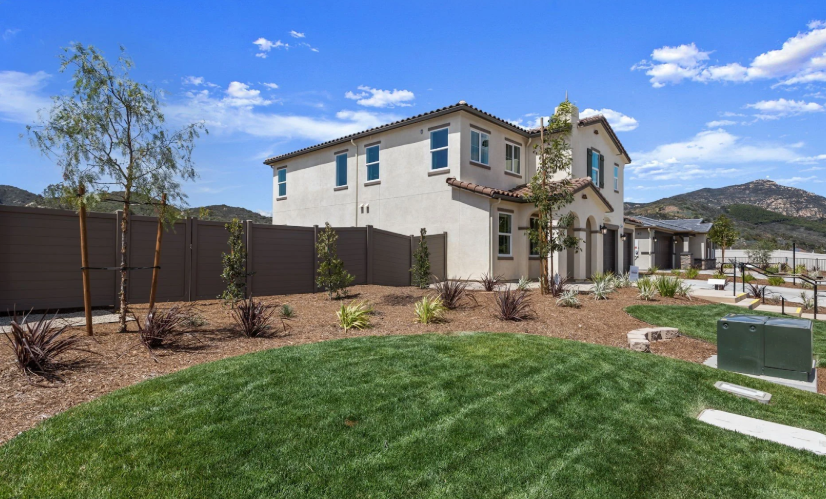
Before you plan any fence project, it's worth confirming whether your property falls within a designated zone. The California Department of Forestry and Fire Protection maintains an online Fire Hazard Severity Zone viewer at the CAL FIRE website where you can search by address.
The updated Fire Hazard Severity Zone Maps released in 2025 significantly expanded the number of properties in designated zones compared to previous maps. Many homeowners who were not previously in a designated zone now are. If you haven't checked since 2024, it's worth checking again.
Properties in both State Responsibility Areas (SRA) and Local Responsibility Areas (LRA) are subject to fire zone regulations. The distinction matters because SRA and LRA properties may use different inspection processes and local enforcement agencies, but the material standards apply to both.
A Practical Checklist Before You Build
Before starting any residential fence project in California, work through these steps:
Check your Fire Hazard Severity Zone status at the CAL FIRE FHSZ viewer. If you're in a high or very high zone, material selection just became your first decision, not your last.
Contact your local building department to confirm permit requirements, height limits, setback rules, and any material restrictions that apply in your city or county.
Confirm your property lines with a licensed surveyor if you're building on or near a boundary. This protects you from Civil Code 841 disputes and ensures your fence is where you think it is.
Get HOA written approval before applying for any permit if you're in a homeowners association. HOA requirements are separate from and sometimes more restrictive than local code.
Select materials that meet your zone requirements. If you're in a fire hazard area, your material needs to be CAL FIRE listed or demonstrably non-combustible. Ask for documentation.
Consider the AB 38 implications now if you're planning to sell within the next few years. A non-compliant fence replaced before listing is a selling point. The same fence left in place becomes a disclosed deficiency.
Compliance Isn't Optional Anymore
California's fence regulations have meaningfully changed in the last two years. Zone Zero requirements are being enforced, the new WUI Code has consolidated and clarified ignition-resistant standards, and AB 38 has made fence compliance a real estate transaction issue in fire hazard zones.
For homeowners in San Diego, Los Angeles, Ventura, Marin, and the Bay Area communities where Zone Zero enforcement is active right now, this isn't a future concern. It's a current one.
The good news is that the path to compliance is clear. Non-combustible, CAL FIRE listed steel fencing satisfies every relevant requirement: Zone Zero, WUI Code, AB 38 defensible space standards, and local permit inspections. And it's available today, in stock, manufactured in California, at roughly half the cost of comparable aluminum products.
If you're not sure where your property stands, start with the CAL FIRE zone map. Then reach out to MWF Solutions to understand what compliance actually looks like for your specific project.
Check your fire hazard zone and explore compliant fencing options at MWF Solutions
Frequently Asked Questions
Do I need a permit to build a fence in California? It depends on your city and the fence height. Most California jurisdictions require a permit for fences over 6 feet, fences in front yards, and fences built on or near property lines. If your property is in a fire hazard severity zone, additional material approvals may also be required. Check with your local building department before starting any project.
What is the maximum fence height in California? The general state standard is 3 to 4 feet for front yards and 6 feet for backyards and side yards. Local ordinances can be more restrictive. Fences exceeding 6 feet almost always require a permit, and some cities have specific height limits that differ from the state baseline.
What is Zone Zero and how does it affect my fence? Zone Zero is the 0 to 5 foot area immediately surrounding your home's structure. California requires non-combustible or ignition-resistant materials in this zone for properties in designated fire hazard severity areas. Wood and vinyl fences do not meet this requirement. Hot-dipped galvanized steel that meets ASTM Class A fire rating standards does.
What is the California Good Neighbor Fence Law? California Civil Code Section 841 requires that adjoining property owners share equally in the cost of building or maintaining a fence on a shared property line. Before starting work, you're required to give your neighbor at least 30 days written notice describing the project, timeline, and estimated cost. Disputes can be resolved through the courts if neighbors disagree.
What is AB 38 and how does it affect fence compliance? AB 38 requires sellers of homes in high or very high fire hazard severity zones to provide buyers with documentation that the property is in compliance with defensible space requirements, including a Defensible Space Inspection from the local fire agency. A non-compliant fence can become a disclosed deficiency that either needs to be corrected before close of escrow or passed to the buyer as a one-year compliance obligation.
What fencing materials are compliant in California fire hazard zones? Non-combustible materials that are CAL FIRE listed or demonstrably meet ignition-resistant standards. Hot-dipped galvanized steel with an ASTM Class A Fire Rating is the primary fencing material that meets these requirements. Wood, vinyl, and most composite fencing materials are combustible and do not comply. Not all aluminum products are CAL FIRE listed, so ask for specific listing documentation.
What is the new WUI Code and does it affect my fence? The 2025 California Wildland-Urban Interface Code (Title 24, Part 7) took effect January 1, 2026. It consolidates previously scattered wildfire construction requirements into a single enforceable code that governs fences and other exterior building components in designated WUI areas. If your property is in a WUI area, fence material standards are now more clearly and consistently enforced than they were previously.