
7 Problems with Aluminum Fencing and a Superior Alternative
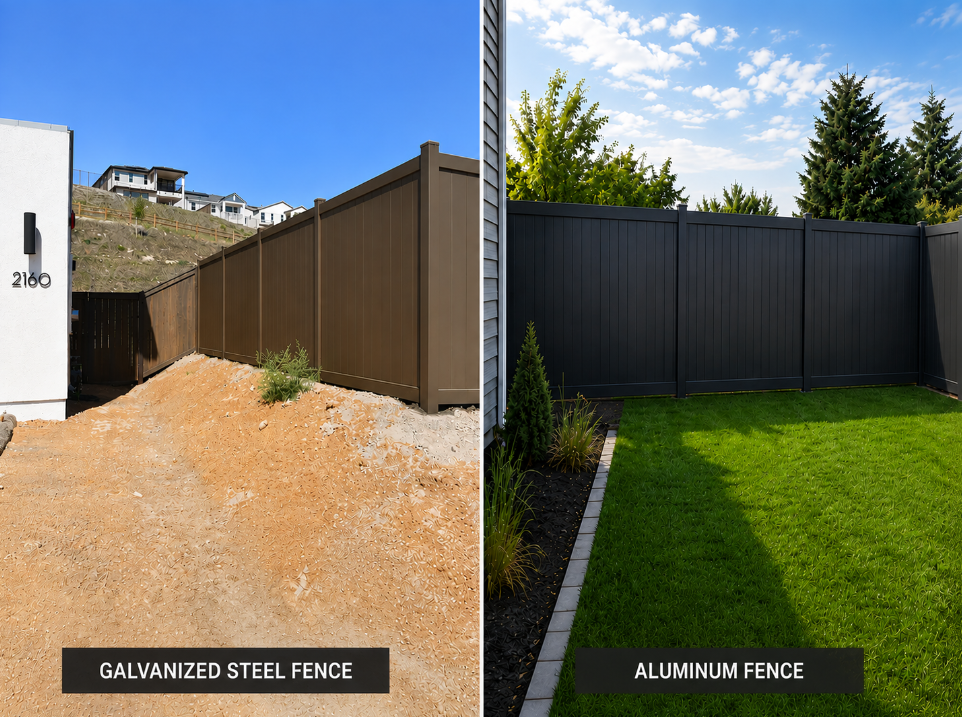
Aluminum fencing has a good reputation, and most of it is earned. It doesn't rust the way ungalvanized steel can even if the ungalvanized steel is coated. It's lighter than iron. It looks cleaner than chain link. For years it was the default upgrade from wood for homeowners who wanted something more durable and lower maintenance.
But aluminum fencing also has a set of real, documented problems that most fencing guides gloss over because they're trying to sell you aluminum. This article doesn't have that problem. Here's an honest look at seven specific issues with aluminum fencing, what they actually mean for California homeowners, and why galvanized steel has become the stronger choice for most residential applications in this state.
The Case for Aluminum First
Before getting into the problems, it's worth being fair about what aluminum does well.
Aluminum is non-combustible, which puts it ahead of wood and vinyl on fire resistance. It's lightweight, which makes panels easier to handle on a job site. It holds paint well when properly powder coated from the factory. And it doesn't require the kind of active maintenance that wood demands: no staining, no sealing, no rot treatment.
For a decorative picket fence in a low-risk climate with no fire exposure, no significant wind load, and no privacy requirement, aluminum is a reasonable product. That context matters because what follows isn't an argument that aluminum is universally bad. It's an argument that aluminum has specific limitations that become significant problems for California homeowners in 2026.
7 Problems with Aluminum Fencing
Those advantages only go so far, and for California homeowners, the limitations start adding up fast.
1. It Dents and Deforms More Easily Than You'd Expect
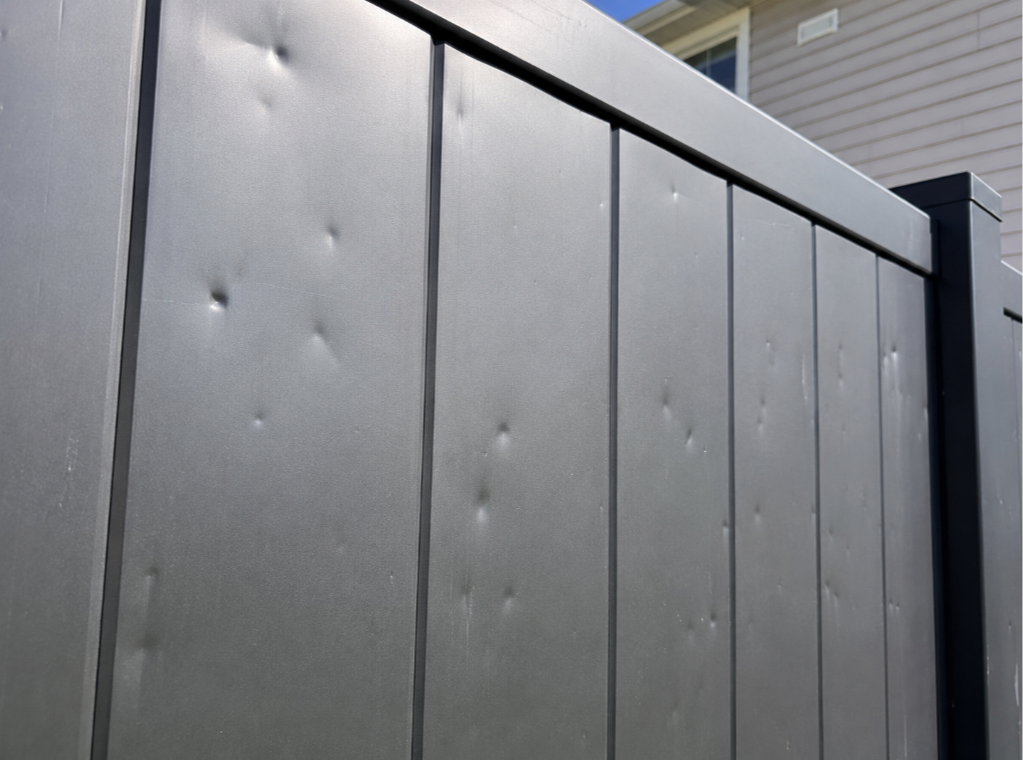
Aluminum is a soft metal. That's not an insult, it's a material property. Aluminum's yield strength is significantly lower than steel's, which means it deforms under impact loads that steel would shrug off. A falling branch, a vehicle that clips a corner panel, a stray piece of equipment during landscaping work, all of these can dent or bend an aluminum panel in ways that require replacement rather than repair.
This matters more than it sounds because of problem number two.
2. Scratched or Damaged Powder Coat Cannot Be Touched Up
When an aluminum fence panel gets scratched through to bare metal, the damage is permanent in a practical sense. Powder coating is a factory-applied finish baked onto the aluminum surface under high heat. It cannot be reliably touched up in the field. The chemistry and adhesion of patch repairs to existing powder coat are poor, and the color match is almost never exact.
What this means in practice: a scratched aluminum fence panel can't be repaired. It has to be replaced. The section, and in many cases the whole panel, needs to come out and a new one goes in. For a fence that dents more easily than steel to begin with, this creates a real long-term cost exposure that doesn't show up in the initial installation quote.
Galvanized steel, by contrast, can be cleaned, primed, and repainted to any color at any time. Touch-ups hold. Color changes are possible. The finish is maintainable over the life of the fence.
3. Aluminum Fence Installation Is More Complex Than It Looks
Aluminum fencing systems rely on a bracket-and-rail assembly. Individual pickets attach to horizontal rails using separate brackets, screws, and connectors. The number of components in a standard aluminum privacy fence installation is significantly higher than a comparable steel panel system.
More components mean more potential failure points over time. Brackets loosen. Screws back out. Rails flex. In California's temperature-cycling environment, where summer heat and cooler nights cause repeated expansion and contraction, these connection points are where systems gradually develop movement and rattle.
Aluminum fence installation also takes longer per linear foot than a slip-together steel panel system for this reason. More components to manage, more fasteners to set, more alignment checks required. That labor time shows up in the installation cost, which is one reason aluminum installed prices run significantly higher than steel.
4. Aluminum Fence Cost Is Higher Than Most Homeowners Expect
Aluminum fence installation costs an average of $4,483 for a complete project, with a typical range between $2,420 and $6,606. On a per-linear-foot basis, aluminum fencing costs between $130 and $250 per linear foot installed for standard residential configurations. Premium aluminum privacy fencing with decorative elements pushes significantly higher.
That's the market rate for standard aluminum. For privacy-height aluminum fencing with the specifications California homeowners actually need, the installed cost typically runs $130 to $250 per linear foot or more.
For comparison, MWF Solutions galvanized steel privacy fencing runs $50 to $85 per linear foot on the product side, with total installed project costs that consistently come in at roughly 40% less the aluminum equivalent for comparable specifications.
On a typical California residential project of 35 to 40 linear feet with one gates, that cost difference is $3,000 to $5,000 in favor of steel. That's a meaningful number, and it's before accounting for the long-term repair cost exposure of a material that can't be touched up when it gets scratched.
5. Not All Aluminum Fencing Is CAL FIRE Listed
This is the problem that matters most for California homeowners in fire hazard severity zones, and it's the one most often overlooked.
Aluminum is non-combustible as a base material. But non-combustible at the material level is not the same as being CAL FIRE listed at the product level. California's Zone Zero requirements, which govern the 0 to 5 foot perimeter around your home's structure in designated fire hazard zones, require non-combustible or certified ignition-resistant materials. The compliance credential that satisfies this requirement at the enforcement level, for permits, AB 38 defensible space inspections, and insurer documentation, is a specific CAL FIRE listing number for the product itself.
Most aluminum fencing manufacturers do not have this listing. When you ask them for their CAL FIRE listing number, they often can't provide one. That means their product, regardless of the base material's non-combustible properties, does not satisfy Zone Zero compliance for California's fire hazard zones.
MWF Solutions carries CAL FIRE Listing #8170 under Ignition-Resistant Materials. That's the product-level credential that actually matters.
6. Aluminum Underperforms in High-Wind Conditions
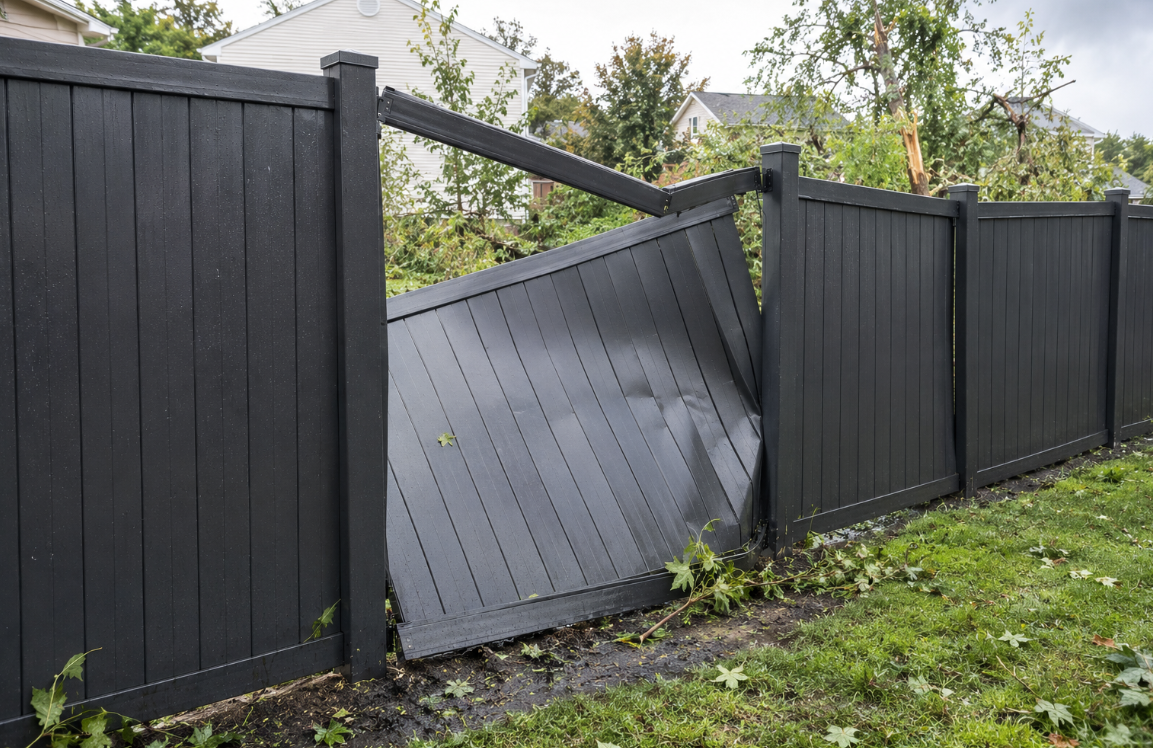
California's coastal communities, canyon corridors, and inland valleys all experience serious wind events. Santa Ana conditions in Southern California regularly produce sustained winds and gusts that test fence installations meaningfully.
Aluminum's lower yield strength relative to steel means it's more susceptible to permanent deformation under high wind loads. A panel that deflects significantly in a wind event may not return to its original shape. Over time, repeated wind loading cycles can cause fatigue at bracket and connection points that aren't visible until the fence visibly fails.
MWF Solutions steel privacy panels are dynamic wind load tested to 130 mph sustained winds and 190 mph gusts by Intertek, a documented third-party specification. Most aluminum privacy fence products do not publish comparable dynamic wind load data. When you ask for the test results, they're often not available.
7. Aluminum Fencing Prices Are Rising and Getting Less Predictable
Most aluminum fencing sold in the United States is imported, primarily from China. In 2025 and 2026, that import chain has been disrupted by a compounding set of cost pressures. China canceled its 13% export tax rebate on aluminum products effective December 2024. New U.S. import tariffs on aluminum extrusions have added significant landed cost for importers. And macro aluminum futures prices have been volatile.
The result is that aluminum fencing prices have become harder to predict and generally higher than they were two years ago. Contractors are seeing supplier price changes mid-project. Lead times have stretched. What a homeowner gets quoted today may not reflect what they're invoiced at installation.
American-made galvanized steel operates on different economics. Domestic steel pricing moves on different fundamentals than imported aluminum, isn't subject to the same tariff exposure, and is generally more predictable.MWF Solutions utilizes locally sourced, hot-dipped galvanized coil from California Steel Industries in Fontana, CA, supplemented by a limited number of imported products , which means pricing stability that imported aluminum products can't match in the current environment.
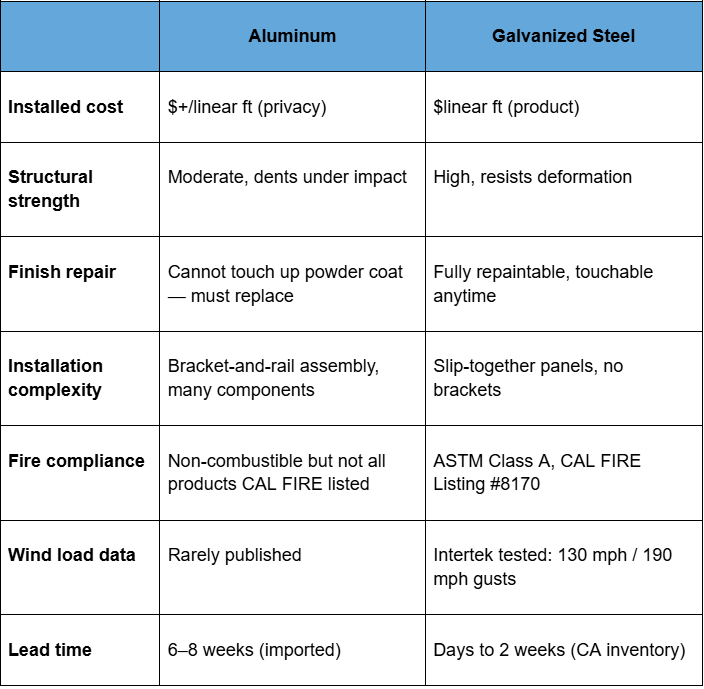
Aluminum Fence vs. Galvanized Steel: The Honest Comparison
What Makes Galvanized Steel the Better Choice for California
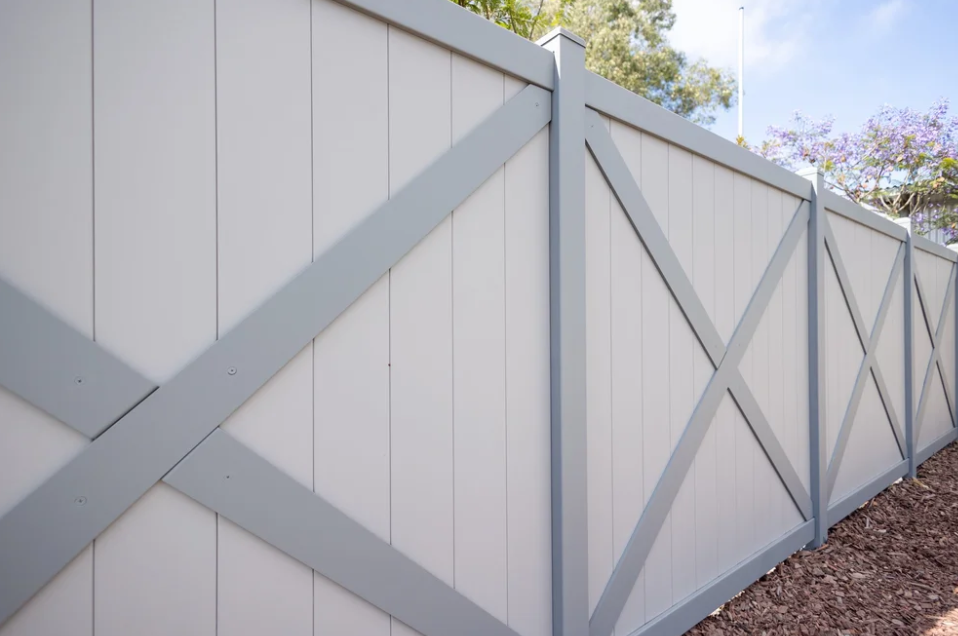
The comparison above describes a product that's more expensive, harder to repair, more complex to install, less structurally capable in high-wind conditions, and increasingly subject to supply chain pricing volatility. For California homeowners specifically, add the fire compliance gap for properties in fire hazard zones.
The reason aluminum fencing still dominates search results and contractor recommendations is largely inertia. It was the right answer for a long time in a lot of markets. In California in 2026, with Zone Zero enforcement underway, fire season year-round, and active Santa Ana and Diablo wind events, the calculation has shifted.
Hot-dipped galvanized steel satisfies every requirement that matters: fire code compliance, wind load performance, repairability, long-term cost, and availability. MWF Solutions utilizes locally sourced, hot-dipped galvanized coil from California Steel Industries in Fontana, CA, supplemented by a limited number of imported products , MWF carries significant in-state inventory, and can typically quote, deliver, and install within two weeks.
Explore MWF Solutions galvanized steel fence panels
Frequently Asked Questions
What are the main problems with aluminum fencing?
The main issues are structural softness that leads to denting, powder coat finishes that can't be touched up when scratched, complex bracket-and-rail installation with many potential failure points, high installed cost, and the fact that not all aluminum products carry the CAL FIRE listing required for Zone Zero compliance in California fire hazard zones.
How much does aluminum fence installation cost in 2026?
Standard aluminum fence installation runs per linear foot installed for basic residential configurations. Privacy-height aluminum fencing with the specifications California homeowners typically need run per linear foot or more. A typical residential project averages $4, depending on height, style, and site conditions.
Is aluminum fencing good for California homes?
Aluminum has advantages: it's non-combustible and low maintenance. But for California homeowners in fire hazard zones, not all aluminum products are CAL FIRE listed for Zone Zero compliance. Aluminum also underperforms steel on structural strength, wind load resistance, and repairability. For most California residential applications in fire zones, galvanized steel is the stronger choice on every dimension that matters.
Can aluminum fence panels be repaired if scratched or damaged?
Not effectively. Powder-coated aluminum cannot be reliably touched up in the field. Scratches that go through to bare metal typically require panel replacement rather than repair, because patch paint doesn't adhere well to existing powder coat and color matching is unreliable. Galvanized steel can be cleaned, primed, and repainted to any color at any time.
Is aluminum or steel fence easier to install?
Steel panel systems using a slip-together design are generally faster and simpler to install than aluminum systems that rely on bracket-and-rail assembly. Aluminum installation requires more individual components, more fasteners, and more alignment work per linear foot, which adds labor time and cost. MWF Solutions panels are designed to connect without brackets or screws.
Why is aluminum fencing getting more expensive?
Most aluminum fencing is imported, primarily from China. In 2025 and 2026, import costs have risen due to China canceling its 13% export tax rebate on aluminum products, new U.S. tariffs on aluminum extrusions, and volatile aluminum futures prices. American-made galvanized steel is not subject to the same pressures and has remained more price-stable.
What is the best alternative to aluminum fencing?
For California homeowners, hot-dipped galvanized steel is the strongest alternative. It's non-combustible, CAL FIRE listed (Listing #8170), wind load tested, fully repaintable, and available at roughly half the installed cost of comparable aluminum products. MWF Solutions utilizes locally sourced, hot-dipped galvanized coil from California Steel Industries in Fontana, CA, supplemented by a limited number of imported products